Tiny House vs RV: Which One Is Right for You?
If you've been dreaming about downsizing or simplifying your life, you've probably Googled "tiny house vs RV" at least once. I know I did, back in 2017 before I moved into Tiffany. After nine years of living tiny in Sarasota, I can give you a real answer, not just a list of specs you could find anywhere.
The short version: both paths can work, but they attract very different kinds of people. Here's what I've learned from actually doing one of them, and from talking to plenty of folks who went the other route.
What We Mean by "Tiny House"
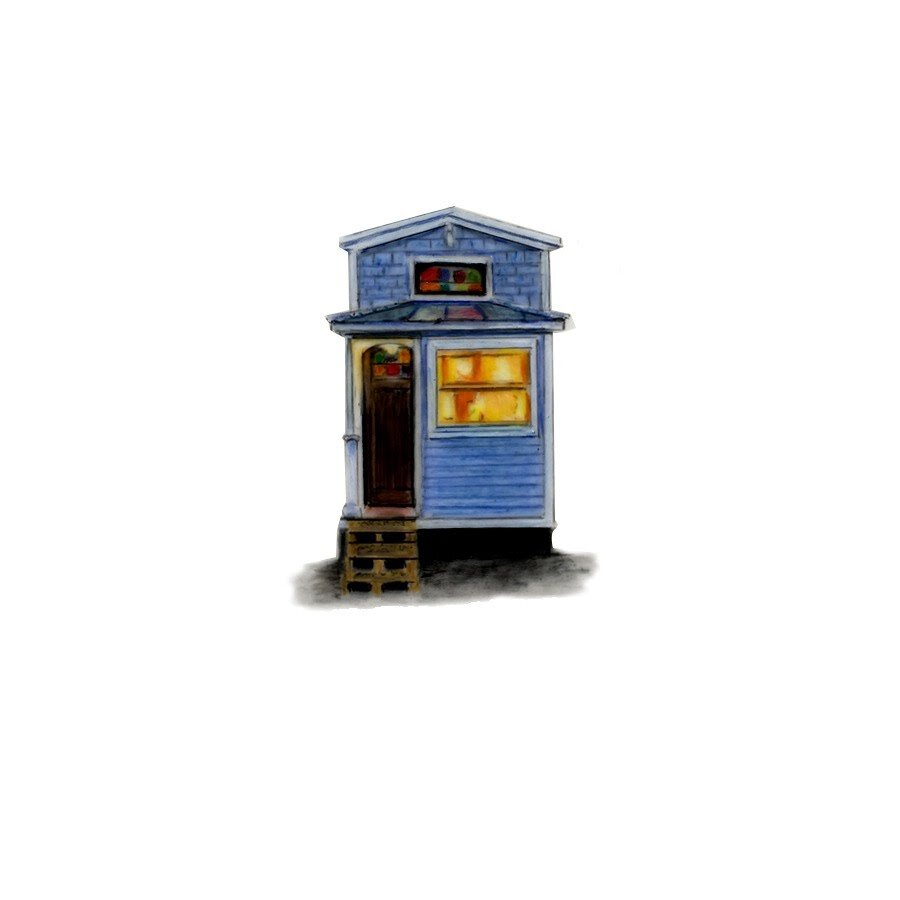
When most people say tiny house, they mean a tiny house on wheels, or THOW. Mine is Tiffany, a 270-square-foot home built on a trailer. She has real wood floors, a full loft bedroom, a proper kitchen with a propane range, a composting toilet, and a little covered porch. She feels like a home because she is one.
There's also a growing market for tiny houses on foundations, like Stanley, which are typically 400 square feet or under. Those work differently in terms of financing and zoning, but the lifestyle overlap is huge.
What We Mean by "RV"
RV is a broad category. You've got Class A motorhomes that can run $300,000 or more, all the way down to a used travel trailer you can tow with a pickup for under $10,000. Fifth wheels, Class B vans, Class C rigs, park models. The experience varies enormously depending on which one you're in.
For this comparison I'm mostly thinking about the full-timer crowd, people who choose an RV as their primary home rather than just a vacation vehicle.
Tiny House vs RV: The Big Differences
Cost to Get In
A new THOW from a reputable builder runs $60,000 to $150,000 or more, depending on the fit and finish. A used one can be found in the $25,000 to $50,000 range, though you want to be careful with the condition on used builds.
RVs have a much wider price range. A solid full-time setup, something with real insulation and quality systems, usually starts around $30,000 to $50,000 for a travel trailer or fifth wheel, and goes way up from there for motorhomes.
On paper, RVs can look cheaper. But factor in a capable tow vehicle if you don't already have one, and the gap closes fast.
Depreciation vs Equity
This is where tiny houses have a real edge. An RV is a vehicle. It depreciates like one. Many RV owners see their rig drop 20 to 30 percent in value in the first few years.
A well-built THOW holds its value much better, and in some cases has appreciated. It's also an asset you can rent out.
Livability
I'll be honest here: tiny houses win on livability for permanent living. The higher ceilings, real construction materials, better insulation, and more thought-out layouts make a significant difference when you're living in something full time, not just vacationing.
That said, modern RVs, especially high-end fifth wheels designed for full-timers, have gotten genuinely impressive in recent years. Some have slide-outs that give you real living room square footage when parked.
The rough edges of RV living: thinner walls, lower ceilings, cheaper cabinetry, plumbing and electrical systems designed for occasional use rather than daily stress. Full-time RVers often spend a surprising amount of time and money upgrading systems or doing repairs.
Mobility
This is where RVs genuinely win. If you want to move every few days or weeks, an RV is the right tool. Hook up, drive, park. Done.
A THOW can move, but it's not designed for frequent relocation. Most tiny house owners move theirs a handful of times a year at most. Moving a tiny house requires a truck with enough payload, a little planning, and patience. It's not a casual afternoon activity.
If "living on the road" is the dream, go RV. If "living simply in one place" is the dream, a tiny house fits better.
Finding a Place to Park
Both options face land challenges, but they're different problems. RVs have a massive infrastructure built around them: campgrounds, RV parks, and hookup sites across the country. The trade-off is that full-time RV living at parks can run $700 to $1,500 a month or more for a decent spot, plus you're in a campground environment rather than a neighborhood.
Tiny houses on wheels exist in a grayer zone legally. Many counties in Florida don't have specific THOW ordinances, which means you're often relying on private land, a friend's property, or specialty tiny house communities. It takes more work to find a spot, but when you do, the setup tends to feel more like a real home.
Insurance
RVs are straightforward to insure through standard vehicle insurance carriers. Tiny houses are more complex, since they sit at the intersection of home and vehicle. A few specialty insurers now offer solid THOW coverage, but it costs more and requires a bit more shopping. Plan on $75 to $150 a month for good coverage on a quality THOW.
Who Should Go with an RV
An RV makes more sense if you want to travel frequently and see different parts of the country, if you're testing out nomadic living before committing, if you need a lower upfront cost and flexibility to sell quickly, or if you have a reliable spot at an RV park already lined up.
Who Should Go with a Tiny House
A tiny house makes more sense if you're ready to settle somewhere for at least a year or two at a time, if you value craftsmanship and quality finishes, if you want a genuine home that feels like a home, if you plan to rent it out part of the year, or if you want something that holds its value.
For me, Tiffany was the right call. I wanted something that felt like a real home, something I could be proud of, something with real wood and real care put into it. Nine years later I still feel that way.
The Hybrid Approach
Some people do both. They have a tiny house as their home base and an RV or van for extended trips. It's not the most budget-friendly setup, but it covers all the bases. If you've got the land and the budget, it's worth considering.
Want to Try Tiny Before You Commit?
Honestly, the best way to know if tiny living is right for you is to actually stay in a tiny home for a few nights. Not just one night, but long enough to feel the routines: cooking, sleeping in a loft, doing dishes in a small sink, waking up and making coffee in 270 square feet.
You can do exactly that by booking a stay at Shellmate Island, our tiny property right on the water in Sarasota. Visit Sunshine State Rental to check availability, see photos, and book directly. It's the best possible research for this decision, and it's a pretty great Florida vacation too.