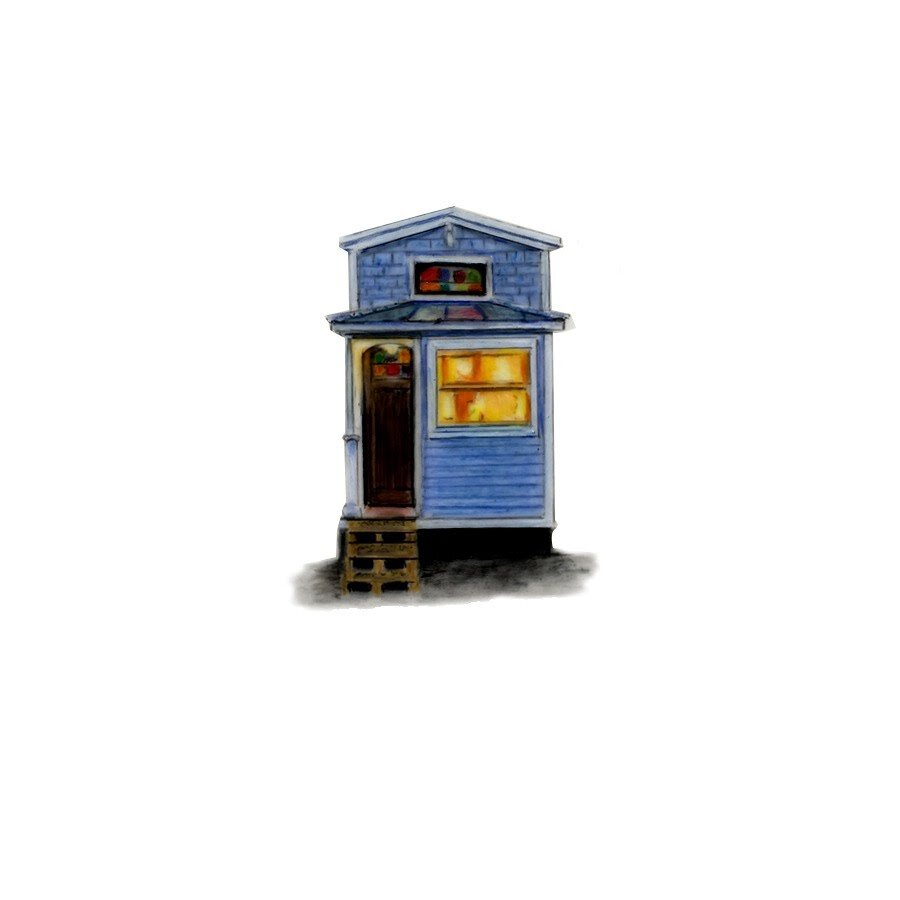
How Long Do Tiny Houses Last? (What 7 Years Taught Me)
If you are researching tiny houses, one of the first questions you will hit is: how long do tiny houses last? I get it. Before I committed to buying Tiffany, my 270-square-foot tiny house on wheels, I had the same question. I needed to know whether I was making a smart investment or buying myself an expensive headache. Now, seven years in, I can give you a real answer, not a sales pitch.
The short version: a well-built tiny house can last 20 to 3- years or more. But like anything, the actual lifespan depends on how it was built, how it is maintained, and where it lives. Let me break down what I have learned the hard way.
The Quality of the Build Is Everything
Not all tiny houses are created equal. This might be the most important thing I can tell you. A sloppy build with cheap materials will give you problems in 3 to 5 years. A solid build with quality materials can outlast a stick-built home.
When I was shopping for Tiffany, I looked hard at:
The trailer frame. For a tiny house on wheels (THOW), the trailer is the foundation. A quality steel trailer, properly galvanized, is what gives the whole structure its integrity. Rust is the enemy. Inspect the welds, check for corrosion, and make sure the trailer was built by a manufacturer who knows what they are doing.
The framing. Most quality THOWs use 2x4 or 2x6 lumber, treated to resist moisture. Some builders use steel framing, which eliminates rot but adds weight.
The roofing material. Metal roofs are the gold standard for tiny houses. They shed water, handle heat, and can last 40 to 70 years with minimal maintenance. Asphalt shingles are cheaper but need replacement every 15 to 20 years.
Siding and exterior finish. Cedar, composite siding, or metal panels hold up far better than vinyl over the long haul, especially in Florida humidity.
Tiffany was built with a solid metal roof and real wood siding. Seven years in, both still look great. No leaks, no warping, no rot.
Climate Makes a Huge Difference
Living in Florida means heat, humidity, and hurricane season. These are not gentle conditions for any structure. But I have found that tiny houses can actually handle Florida climate well if they are built for it.
The key is ventilation. Moisture is the number one killer of tiny houses in humid climates. You need proper vapor barriers, adequate insulation, and good airflow. Without these, you will see mold, rot, and structural issues within a few years. With them, you can live comfortably and keep the structure sound for decades.
I also learned quickly that shading matters. A tiny house sitting in full Florida sun gets hot fast. Adding a shade structure, planting trees, or using awnings takes a real load off the cooling system and extends the life of your roof and exterior finishes.
Maintenance Is Where Most People Go Wrong
Here is the honest truth: a tiny house that is not maintained will fail faster than you expect. And because everything is compact, small problems can become big problems quickly. A tiny leak that a regular house could absorb becomes a serious structural issue in 270 square feet.My regular maintenance checklist after seven years:
Roof inspection every spring and fall. Look for any sealant cracking around vents, skylights, or seams. Catch this early and a tube of sealant fixes it. Miss it and you are replacing subfloor.
Trailer inspection annually. Check for rust, especially around wheel wells and hitches. Touch up any bare metal with rust-inhibiting paint.
Caulking check around all windows and doors. Florida sun degrades caulk fast. A fresh bead every couple of years keeps water out.
HVAC filter changes monthly. A mini-split system works hard in Florida heat. Keep it clean and it will last 15 to 20 years. Ignore it and you will replace it in 8.
Plumbing inspection for any soft spots in the subfloor. Water intrusion near the bathroom or kitchen can be sneaky. Press on the floor periodically. Any give means you need to investigate.
None of this is complicated. It is maybe a few hours of attention twice a year. But skipping it is how people end up saying tiny houses only last 10 years. They do not maintain them.
Stationary vs. On-the-Move Changes Everything
Tiffany has been stationary since I parked her. That makes a significant difference in longevity. Every time a THOW moves down a highway, it takes stress, vibration, and road shock. Over time, that movement works fasteners loose, stresses joints, and can crack siding or interior finishes.
If you plan to move your tiny house regularly, build that into your maintenance expectations. Check fasteners after every move. Inspect the trailer hitch and coupler. Look for any cracks that have developed in caulk or trim joints.
A stationary tiny house, maintained properly, is going to outlast one that travels constantly. There is no way around the physics of it.
What I Would Tell My 2017 Self
Seven years ago, I was nervous. I did not know if Tiffany would hold up, if I had made a smart choice, or if I would be dealing with endless repairs. The reality has been much better than I feared.
Yes, there have been maintenance items. I replaced a hot water. I re-caulked twice or more. I repainted the exterior once. But those are normal costs of ownership, no different from maintaining a regular home, just smaller scale and lower cost.
If you buy a quality-built tiny house and take basic care of it, you are not looking at a 10-year disposable structure. You are looking at a real home that can serve you for decades.
The question is not really how long do tiny houses last. The better question is: how well will you take care of it?
Want to try tiny living for yourself? You can book a stay at Tiffany the Tiny Home or Shellmate Island in Sarasota, both available on Airbnb and direct through Sunshine State Rental. It is the easiest way to experience tiny living before you commit.