Is It Legal to Live in a Tiny House in Florida? (What I Learned the Hard Way)
I've been in the Sarasota area for nine years now. When I first started looking into putting Stanley, my 320sq ft tiny house on a spot in Florida, I quickly realized there's no simple yes or no answer to this question. The legality depends almost entirely on where you want to put it, what type of tiny house you have, and how willing you are to navigate county bureaucracy.
THE TWO TYPES OF TINY HOUSES
Florida law treats tiny houses very differently depending on whether they're on wheels or on a foundation.
A Tiny House on Wheels (THOW) is legally classified as a recreational vehicle in most Florida counties and falling under RV zoning rules, not residential housing codes. You generally need to be in a licensed RV park or have specific zoning allowances.
A Tiny House on a Foundation goes through the regular building permit process and must meet Florida Building Code minimums. The good news:
Florida allows homes as small as 400 square feet in many jurisdictions.
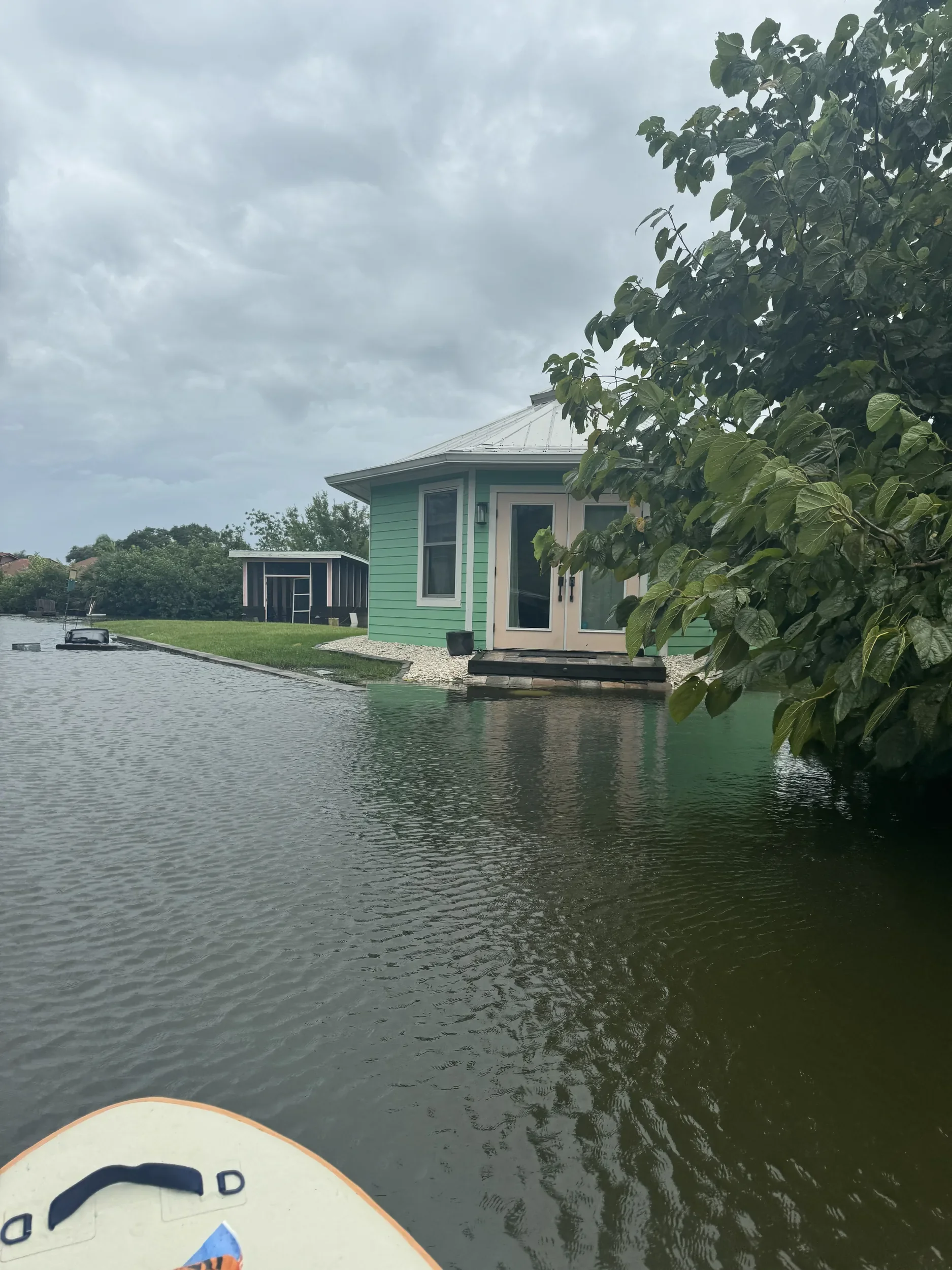
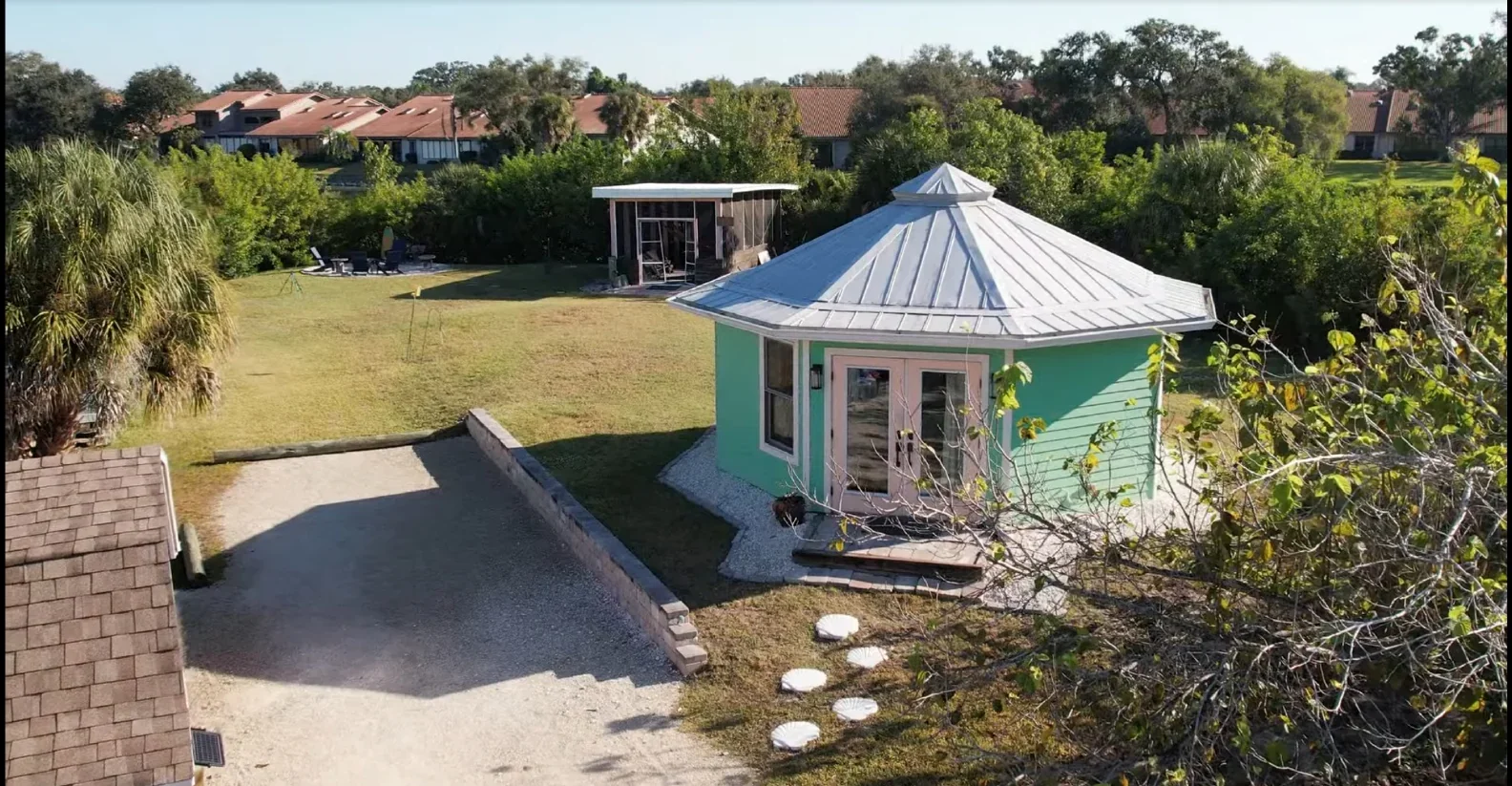
Stanley in Sarasota, is on a foundation and went through the full Sarasota County permit process. Lots of paperwork, but completely legal with a certificate of occupancy.
WHAT SARASOTA COUNTY ACTUALLY ALLOWS
Sarasota County has been more open to alternative housing than many Florida counties. When I permitted Shellmate Island, the process included:
1. Pre-application meeting with county planning 2. Site plan review (setbacks, lot coverage, utility hookups) 3. Engineering drawings stamped by a licensed Florida engineer 4. Separate permits for structural, electrical, plumbing, and mechanical 5. Multiple inspections throughout the build
The county specifically checks: hurricane strapping, impact-resistant windows/doors, elevation certificates in flood zones, and Florida Energy Code compliance.
For THOWs in Sarasota County, the story is trickier. You can't use a THOW as a permanent residence on most residential lots.
FLORIDA'S ADU LAWS CHANGED EVERYTHING
In 2020, Florida passed HB 1339, which significantly expanded Accessory Dwelling Unit (ADU) rights statewide. Any county that allows single-family residential uses must now allow ADUs on those lots.
This is a game-changer. An ADU can be a small detached structure, think 400-600 square feet, on a lot with an existing primary home. It needs permits, but it's now much harder for counties to deny.
If I had unlimited money, I'd build a small primary structure, then add a tiny ADU in the backyard. Both legal, both permitted, both livable.
3 HARD LESSONS FROM 9 YEARS WITH A TINY HOME IN FLORIDA
1. County rules beat state rules. Florida gives counties enormous zoning latitude. What's allowed in Sarasota may be completely different in Manatee or Hillsborough. Always verify with the specific county.
2. The biggest challenges aren’t always visible. While the allure of tiny living is powerful, many underestimate the bureaucratic hurdles. Zoning, permitting, and utility hookups are often more complex than anticipated, requiring patience and persistence.
3. The permit process is worth it. Yes, it takes months and costs money. But Shellmate Island was built to code, and when storms came through, I was glad. Long term, permitted structures are also easier to insure and sell.