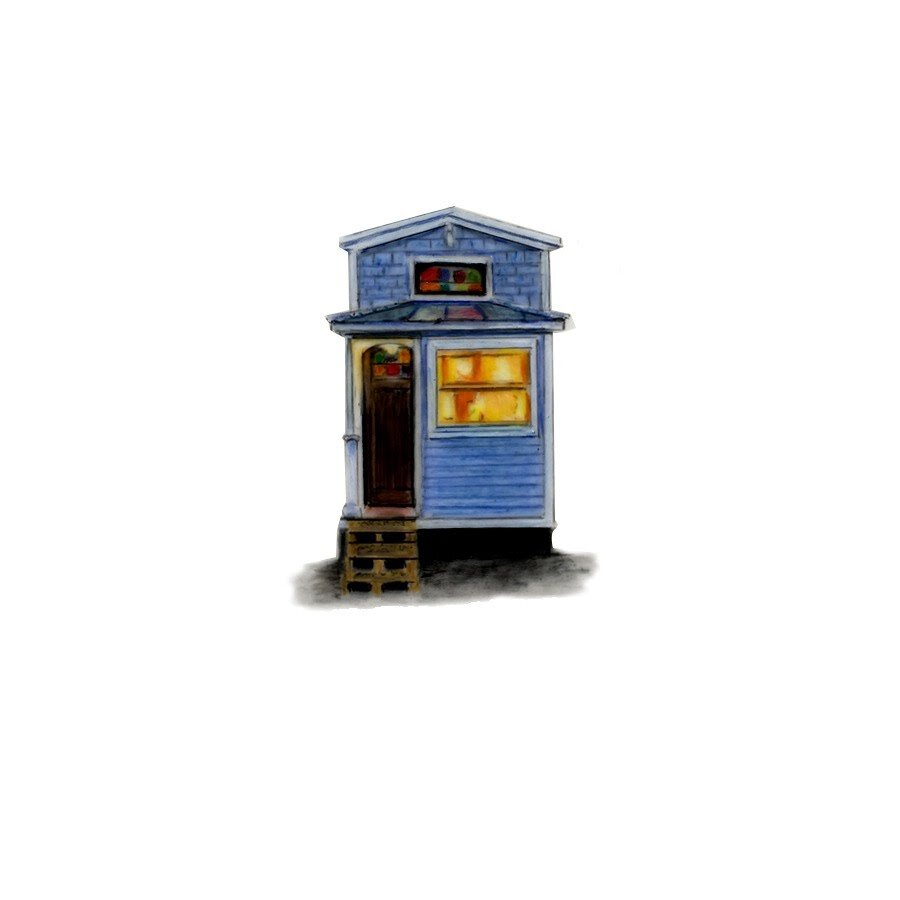
Tiny House Communities in Florida: What to Know Before You Join
If you spend any time in the tiny house world, you have probably heard people talking about tiny house communities. The idea is appealing: a neighborhood built around intentional small-space living, where everyone gets it, where the yards are shared, and where the culture actually supports a simpler lifestyle. Florida has become one of the more interesting states for this kind of living, and after years of hosting guests at Tiffany the Tiny Home and Shellmate Island here in Sarasota, I have picked up a lot from the conversations guests have with me about where they want to take their tiny house journey next.
Here is what I have learned about tiny house communities in Florida, the zoning realities, and what guests who stay with us tend to notice about community-style living.
What Makes Florida a Unique State for Tiny House Communities
Florida has a few things going for it when it comes to tiny living. The climate is year-round friendly, land costs in rural areas can still be reasonable compared to the rest of the country, and the culture here tends to be a bit more relaxed about unconventional housing. That said, Florida is not a free-for-all. Zoning rules vary wildly by county, and what is allowed in one area can be completely off the table twenty miles away.
The state does not have a single unified framework for tiny house communities. Instead, you are dealing with a patchwork of county and municipal codes. Some counties have explicitly carved out space for tiny homes as accessory dwelling units (ADUs), while others are still operating on older zoning frameworks that were never written with small-space living in mind.
RV Parks That Allow Tiny Houses
One of the most practical routes for tiny house on wheels (THOW) owners in Florida is landing in an RV park that officially welcomes tiny homes. These communities are already set up with hookups, shared amenities, and a transient or semi-permanent mindset that fits a lot of tiny house lifestyles.
Not every RV park will take a THOW, though. Many have age restrictions, size requirements, or aesthetic guidelines that can be tricky to navigate. The best thing to do is call ahead, ask specifically about park model or custom-built tiny homes, and ask what the minimum and maximum length requirements are. Some parks in Florida are starting to actively market themselves to the tiny house crowd, so those are worth seeking out if community living is your goal.
A few communities around the state have gone further, building dedicated tiny house neighborhoods with leased or purchased lots. These tend to have a stronger community feel, shared green spaces, and sometimes shared amenities like tool libraries or community gardens. They also tend to have waiting lists.
Zoning Considerations That Matter
If you are thinking about placing a tiny house on a permanent or semi-permanent basis somewhere in Florida, zoning is the first conversation you need to have, not the last. Here are the main things to look into:
First, figure out whether the home would be classified as a THOW (trailer) or a tiny house on foundation. These are treated very differently under most county codes. A THOW is often regulated under RV rules, while a foundation-built tiny home may need to meet the same building codes as any other single-family residence.
Second, look at minimum square footage requirements. Some counties still have minimums of 500, 600, even 800 square feet for a permanent dwelling. That can knock a lot of tiny homes out of contention immediately.
Third, check whether the area allows ADUs or secondary structures. If you already own a piece of property, placing a tiny home as a second unit can sometimes work within existing frameworks, especially as Florida has started loosening ADU restrictions in recent years.
What Guests Notice About Community Living
I have had hundreds of guests come through Tiffany the Tiny Home and Shellmate Island, and a good number of them are seriously exploring the tiny house lifestyle for themselves. One thing that comes up constantly in those conversations is the community angle.
Guests who stay in a tiny house rental often get a taste of what it feels like to live in a smaller space, but they are typically in a more isolated setting without the community layer. That is one thing I always make clear when people ask: the community component of tiny house living is not automatic. It depends on where you park or build, and it takes real effort to create.
The guests who have visited actual tiny house communities or RV park communities with a strong tiny house presence consistently say the same thing: the neighbors make it. When you are all living with limited square footage, you tend to spend more time outside, more time in shared spaces, and more time actually talking to the people around you. That is either a huge draw or a real deterrent depending on what you want.
What I have seen from hosting is that the people most excited about tiny house communities are usually not just looking to downsize their home. They are looking to upsize their relationships and their sense of place. Florida has more options for that now than it did five years ago, and the trend is moving in the right direction.
Do Your Homework Before You Commit
If you are seriously considering joining a tiny house community in Florida, here is my practical advice: visit first, talk to current residents (not just the developer or park manager), ask about rules around short-term guests and home modifications, and get any verbal promises in writing. Community living in a tiny house can be fantastic, but the details matter a lot.
Check in with local Facebook groups, the American Tiny House Association, and county planning departments directly. Things are changing fast in this space, and what was true two years ago may not be accurate today.
If you want to experience tiny living firsthand, you can book a stay at Tiffany the Tiny Home or Shellmate Island on sunshinestaterental.com.