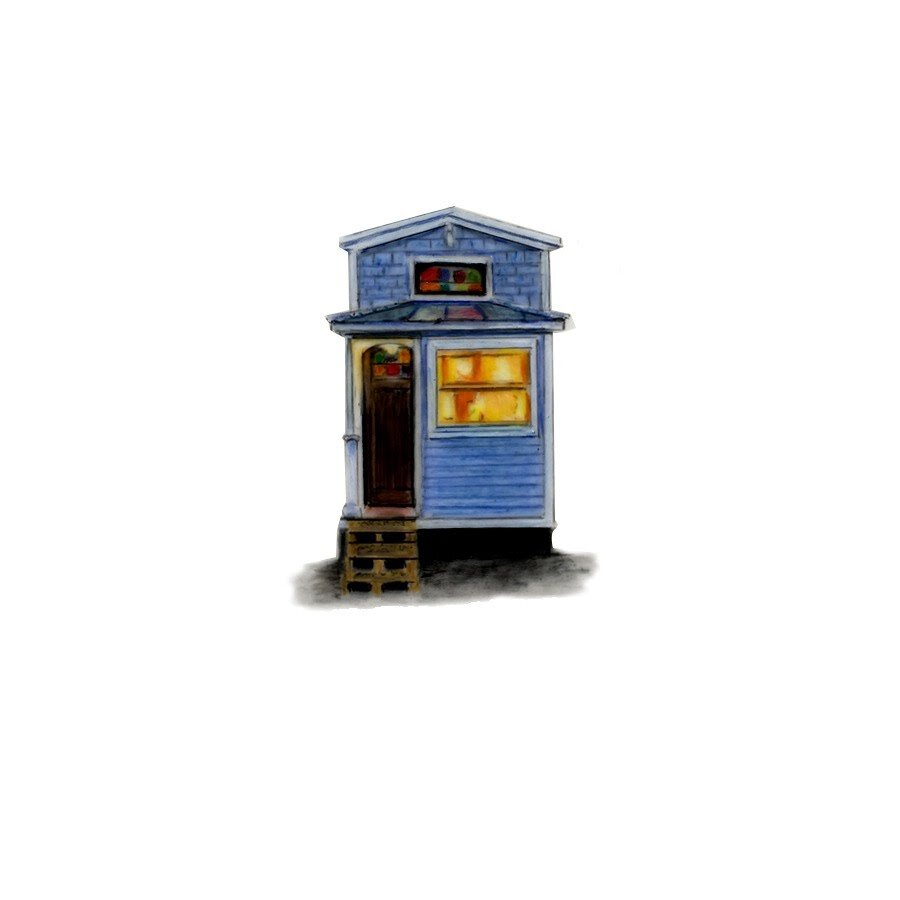
Tiny House Utilities: What I Actually Pay Each Month
One of the first things people ask when they are curious about tiny house living is how much utilities actually cost each month. I hear it from guests staying at our properties, from readers who find us through Google, and from folks who are seriously thinking about building their own. The short answer: tiny house utilities cost significantly less than a traditional home, but the savings depend a lot on your setup, your climate, and how you live. Since I have been running two tiny house rentals in Sarasota, Florida for years now, I have real numbers and real observations to share.
Typical Tiny House Utilities Cost: What to Expect
The average tiny house runs between $150 and $350 per month in total utilities, depending on location, season, and how the home is powered. Here is what that typically breaks down into:
Electricity: $50 to $150/month (the biggest variable)
Water: $20 to $50/month
Propane or gas (for cooking/heating): $20 to $60/month
Internet: $50 to $80/month
Sewer/septic/trash: $20 to $50/month
These numbers shift based on whether you are on the grid, using solar, hooked up to city water, or operating from a well. Tiny houses on wheels often have different costs than tiny homes on foundations. And climate matters a lot, which brings me to something specific about running these properties in Florida.
What Florida Does to Your Electric Bill
Here in Sarasota, the dominant utility expense is electricity, and the reason is simple: air conditioning. Florida summers are no joke. Temperatures stay in the low-to-mid 90s from June through September, and the humidity makes it feel even hotter. A mini-split system in a tiny house does a solid job of cooling a small space efficiently, but it still runs hard during peak heat.
In the cooler months, from November through March, the electric bill drops noticeably. Nights get cool enough that you barely need cooling at all. That is part of what makes Florida interesting for tiny house living: you trade intense summer AC costs for essentially zero heating costs, since you rarely need heat at all.
In our Shellmate property, the mini-split keeps the space comfortable without the kind of runaway electric bill you would see trying to cool a 1,500-square-foot house. The small footprint is a genuine advantage. You are cooling maybe 250 to 400 square feet, not an entire traditional home.
Water and Sewer: Often Overlooked
Water usage in a tiny house is naturally lower, partly because there is less space and fewer fixtures, and partly because the small shower and kitchen keep consumption in check. If your tiny house is connected to city water and sewer, expect to pay $25 to $45 per month on average. Properties on a well and septic will have lower ongoing water costs (just the pump electricity and occasional maintenance), but higher upfront setup expenses.
One thing I have noticed from hosting guests: people use water differently when they are in a tiny space. The compact design naturally encourages more mindful habits. You are not leaving a huge bathtub running or running a dishwasher three times a day.
Solar: Worth It in Florida?
Florida is one of the best states in the country for solar, and for a tiny house, the math can work out well. A small rooftop solar setup, maybe 2 to 4 panels, can cover a meaningful chunk of your electricity needs. Some tiny house owners I have talked to get their electric bill down to $10 or $20 per month with a modest solar setup plus net metering.
The catch is the upfront cost. A basic tiny house solar system starts around $3,000 to $8,000 installed. If you are planning to live in your tiny house long-term, it can absolutely make financial sense. If you are testing the lifestyle with a short-term rental stay first, it is worth knowing what a fully solar-assisted property feels like before you invest.
Internet and Other Monthly Costs
One utility people forget to factor in: internet. Whether you are working remotely from a tiny house, streaming, or just keeping connected, a solid internet connection runs $50 to $80 per month in most Florida markets. Starlink is an increasingly popular option for rural tiny house locations where cable or fiber is not available, sitting around $120 per month currently.
Propane is typically used for cooking and sometimes for a backup water heater. A 20-pound tank lasts a light-use household a month or two, and a refill runs $20 to $30. If your tiny house uses propane for heating (less common in Florida), that number goes up in cooler months.
The Real Takeaway on Tiny House Utilities
When I add it all up across our properties, a well-set-up tiny house in Florida typically runs between $180 and $250 per month in utilities during the peak summer months, dropping to $120 to $170 in winter. Compare that to the average Florida household utility bill, which runs $350 to $500 per month for a traditional home, and the savings are real and consistent.
What I have seen from years of hosting is that the utility savings are not the only benefit. The smaller footprint encourages intentional habits. Guests who come through often comment on how freeing it feels to have a space that is easy to manage. You stop paying for square footage you never actually use.
If you are curious about what tiny house living actually feels like day to day, including how the space handles the Florida heat, the best way to find out without committing to a purchase is to stay in one. You will get a real sense of the space, the utilities, the trade-offs, and the genuine advantages.
Want to try tiny living for yourself? You can book a stay at Tiffany the Tiny Home or Shellmate Island in Sarasota, both available on Airbnb and direct through Sunshine State Rental. It is the easiest way to experience tiny living before you commit.