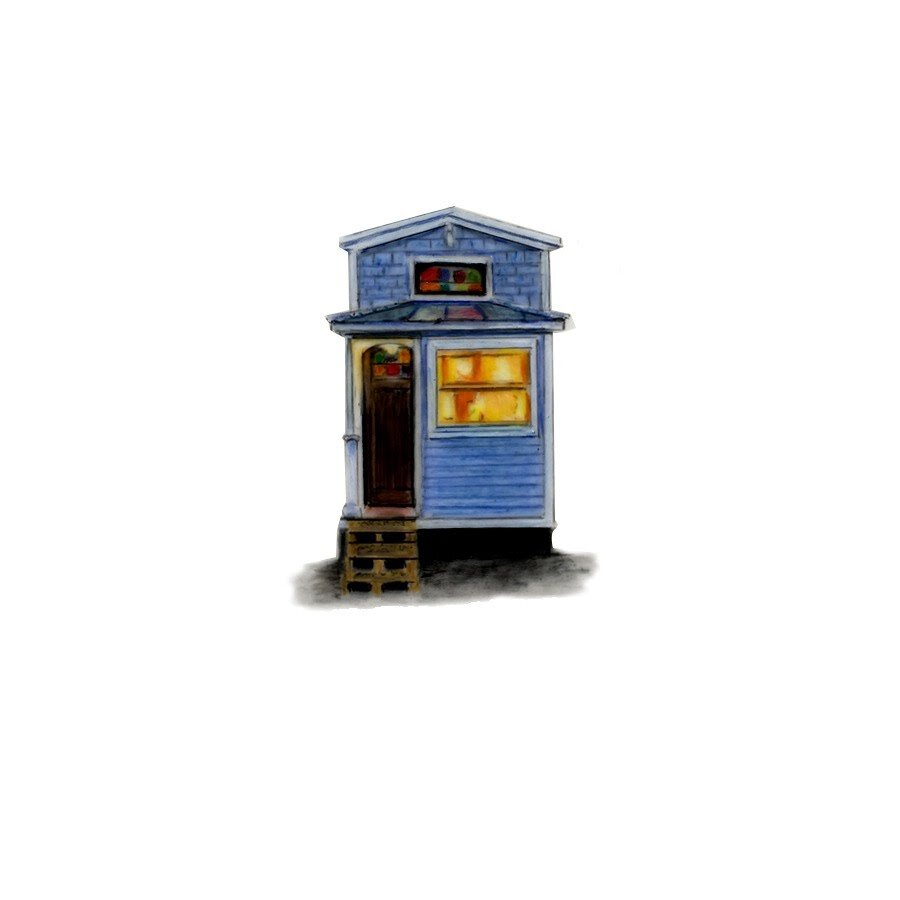
Financing a Tiny House: What Are Your Options?
One of the most practical questions people ask me after staying at Tiffany the Tiny Home is how to actually pay for one. They have done the fun part, staying in a beautiful tiny space, and now they want to know what the financial path looks like to owning one. Tiny house financing is genuinely more complicated than buying a conventional home, but there are more options available now than there were just a few years ago. Here is a clear-eyed look at what your options are and what lenders are actually looking for.
Why Tiny House Financing Is Different
The challenge with financing a tiny house comes down to classification. Lenders need to know what they are lending against, and tiny houses do not fit neatly into the existing categories that the mortgage and lending world has built its systems around.
A traditional mortgage requires the property to be classified as real estate. For a tiny house on a permanent foundation that you own the land under, a mortgage can sometimes work. But for a THOW, or a tiny house on a rented lot, a conventional mortgage is essentially off the table. The collateral does not qualify.
This means most tiny house buyers end up in the personal loan, RV loan, or specialty financing space. None of these are as favorable as mortgage rates, but the options have gotten better as the tiny house market has grown.
Personal Loans
Personal loans are the most accessible financing option for tiny houses, especially THOWs. They do not require collateral in the traditional sense, so the classification issue that kills mortgage applications is not a problem.
The trade-offs are real, though. Personal loan interest rates are typically higher than mortgage rates, often running between 7 and 20 percent depending on your credit score and the lender. Loan terms are also shorter, usually three to seven years, which means higher monthly payments on the same loan amount compared to a 30-year mortgage.
The upside is speed and simplicity. A personal loan can often be approved and funded within a few days. For buyers who need to move quickly or who are financing a smaller build, personal loans are often the most practical path.
RV Loans
If your tiny house is RVIA-certified (certified by the Recreational Vehicle Industry Association), you may qualify for an RV loan. These are secured loans where the home itself serves as collateral, which generally allows for better interest rates than unsecured personal loans.
RV loan terms typically run 10 to 20 years, and rates are generally lower than personal loan rates. The catch is certification. Not all tiny houses are RVIA-certified, and getting certified adds time and cost to the build process. If you are building a tiny house specifically for financing purposes, asking your builder about RVIA certification early in the process is worth doing.
Some lenders who specialize in RV loans have started to offer products specifically marketed toward tiny house buyers. Companies like Medallion Bank and a handful of credit unions have programs worth looking into if you are going the THOW route.
Construction Loans
If you are building a tiny house on a permanent foundation on land you own, a construction-to-permanent loan might be an option. These loans finance the construction phase and then convert to a traditional mortgage once the home is complete.
The qualification requirements are similar to a conventional mortgage: solid credit, proof of income, and a down payment (typically 10 to 20 percent). The complicating factor is that the home needs to meet minimum size and value thresholds that some tiny houses do not reach. If your foundation-built tiny home will appraise at $150,000 or more, this path becomes more viable.
For Shellmate Island, the construction was funded through a combination of savings and a construction loan. The foundation build classification made conventional financing more accessible than it would have been for a THOW in the same situation.
Paying Cash
Cash remains the simplest and most flexible option for tiny house purchases. No lender approval, no interest, no monthly payments. If you have savings available or are willing to sell assets to fund the build, the math on a cash purchase often makes a lot of sense given the higher interest rates available on non-mortgage tiny house loans.
The median cost for a quality custom tiny house runs between $60,000 and $150,000 depending on build quality, size, and features. This is within reach for buyers who have been saving deliberately or who are downsizing from a larger property.
What Lenders Are Actually Looking For
If you are planning to finance, here is what you should have in order before you apply:
Credit score above 680, and ideally above 720, will open up the best rates and terms. Debt-to-income ratio below 43 percent is typically required for most lending products. Stable, documentable income matters more than the raw amount. Lenders want to see two years of consistent earnings through tax returns or pay stubs.
For secured loans (RV loans, construction loans), the property being financed needs to meet the lender requirements for value and certification. Get this sorted before you start shopping lenders, not after.
Challenges Unique to Tiny Homes
Beyond the classification issue, tiny house buyers often face challenges with appraisal. Conventional appraisal methods use comparable sales in the area, and comparable tiny house sales can be hard to find in many markets. This can result in appraisals that come in lower than the actual build cost, which creates problems for loan-to-value calculations.
Lot and land access is another financing challenge. Some lenders will not finance a THOW unless you own or have a long-term lease on the land where it will be parked. This adds complexity to deals where the land situation is not fully resolved.
Finally, insurance requirements matter to lenders. If you cannot get appropriate insurance for your tiny home, many lenders will not close the loan. Sort out your insurance options before finalizing a financing path, not after.
If you want to experience tiny living firsthand, you can book a stay at Tiffany the Tiny Home or Shellmate Island on sunshinestaterental.com.